DID YOU KNOW?
A fun collection of weird historical . . . and personal . . . stuff.

Several years before she sat on that North Vietnamese anti-aircraft gun, Jane Fonda was named “Miss Army Recruiting of 1962” by the U.S. Army? Draped in a red, white, and blue ribbon, Fonda accepted the awared with an impassioned speech praising the U.S. military and defending the need for armed forces to deter communism. (Christopher Anderson, Citizen Jane: The Turbulent Life of Jane Fonda, 93)
Samuel Colt, inventor of the revolving pistol, was broke, chased by creditors, his first gun design too complicated and unreliable (some even blew up in soldiers’ hands during trials) that he ran off from Connecticut to New York where he studied chemistry. While he was on the lam, a group of Texas Rangers, outnumbered 5:1 but armed with Colt’s pistols, had beaten attacks of Indians. The Captain thought with a few modifications they would make the perfect “hand cannon.” He sent Colt a letter with suggested changes. Colt agreed, redesigned the pistol, and just in time was saved by a massive order from the U.S. Army when the Mexican War broke out.
On the eve of the Revolution, Boston had over 150 bars and saloons, most of them on the waterfront. Each had its own clique of Bostonians: Freemasons went to the Green Dragon; clergy and magistrates to the Blue Anchor; sailors and other drunks to the Ship Tavern. John Hancock and fellow merchants went to the Merchants CLub or the Royal Exchange.
When the great evangelist George Whitefield, who, for some time, was financially subsidized by Benjamin Franklin, preached a sermon, it drew a reported 25,000 people. Yet, without a microphone, Whitefield could be heard by everyone in the crowd.
Ringo Starr was once in a studio when producer George Martin suggested they use a click track (metronome). An outraged Ringo shouted, “I am the f . . . ing metronome.” He was right. Later Martin and others found that Ringo’s meter was perfect.
In 1976, my band, “Rampage,” was in Los Angeles trying to get a deal for our record, “Didn’t Want to Have to Say Goodbye to You.” The song was being played on K-100 radio. In our down time, our leader/singer Doug would have us drive through areas where the record producers and stars lived. As we drove down one suburban street, there was Betty White, watering her yard. We pulled over and she was wonderful, talking with five long-haired hippies for over 1/2 hour.
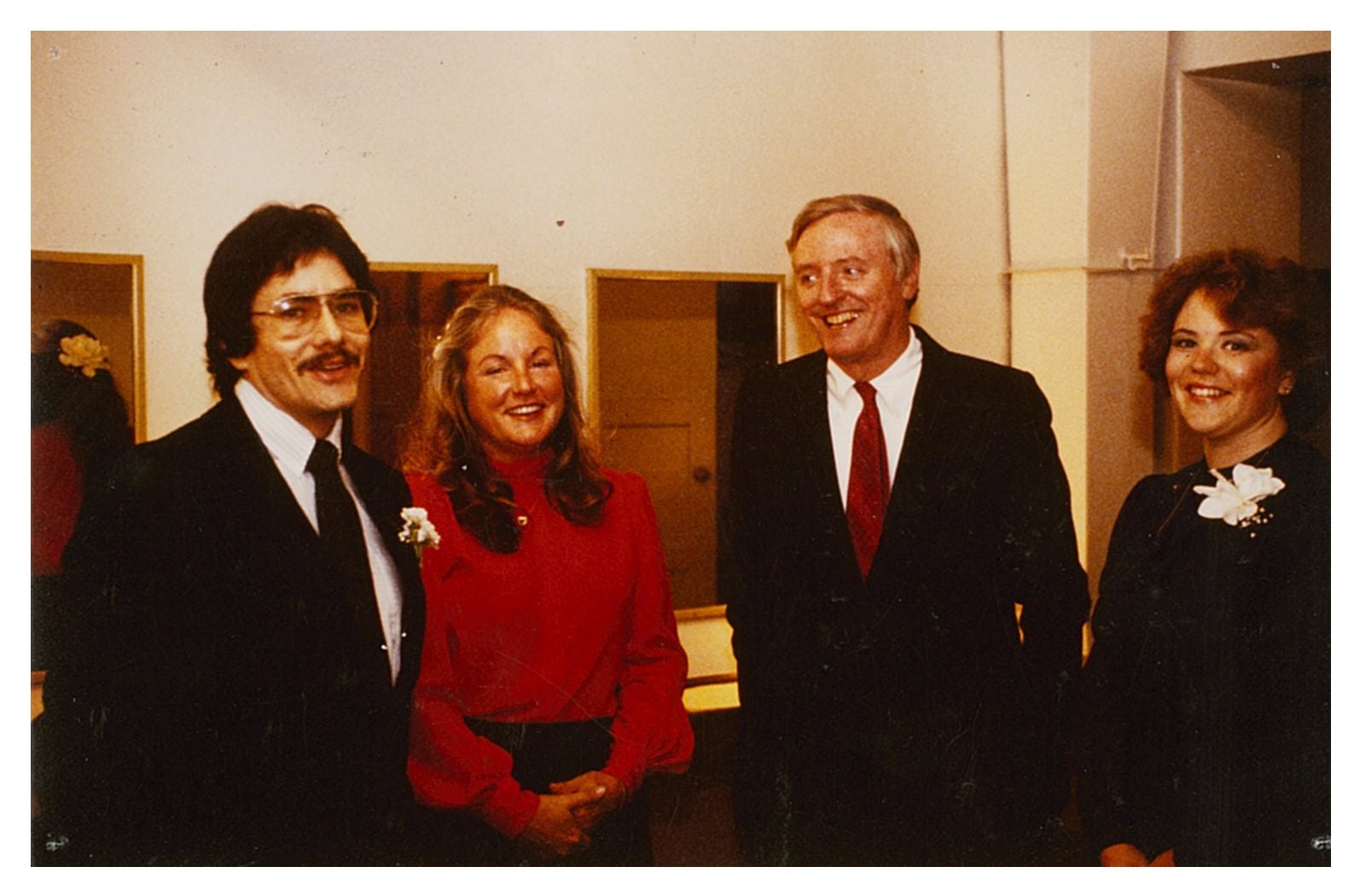
Around 1984 I had the privilege of introducing William F. Buckley at a speaking event. After my intro, he said, “Larry Shweikart shows that being a conservative intellectual is not an oxymoron.” I had to look that one up. Buckley was an excellent piano player, playing classical music by memory.
During filming of our 2012 documentary, “Other Walls 2 Fall,” we interviewed a Turkish/Cypriot singer, Ozzie Aziz. Pretty flamboyant.

She was extremely supportive of, and apologetic for, Muslims. Upon learning that she had just made a vampire movie—-in IRAQ!—-we asked, “Why didn’t they use a Muslim girl for the part?” She answered, without any seeming sense of irony, “Oh, they would have beheaded her.”
Andrew Mellon, one of the richest men in the United States, was an art collector. When the USSR was on the verge of collapse in the 1920s, the commies sold off everything, including large numbers of extremely rare and valuable art. Mellon bought the works at fire sale prices. But instead of keeping them in his house, he donated those—-and all his other art—-to the United States government to create the National Art Gallery. The administration wanted to name the gallery the “Andrew Mellon National Art Gallery.” Mellon refused to put his name on it: “This belongs to the people,” he said. It was ironic that this capitalist helped keep the Soviet Union afloat and then, while constantly criticized for his wealth, gave his art collection to the people.
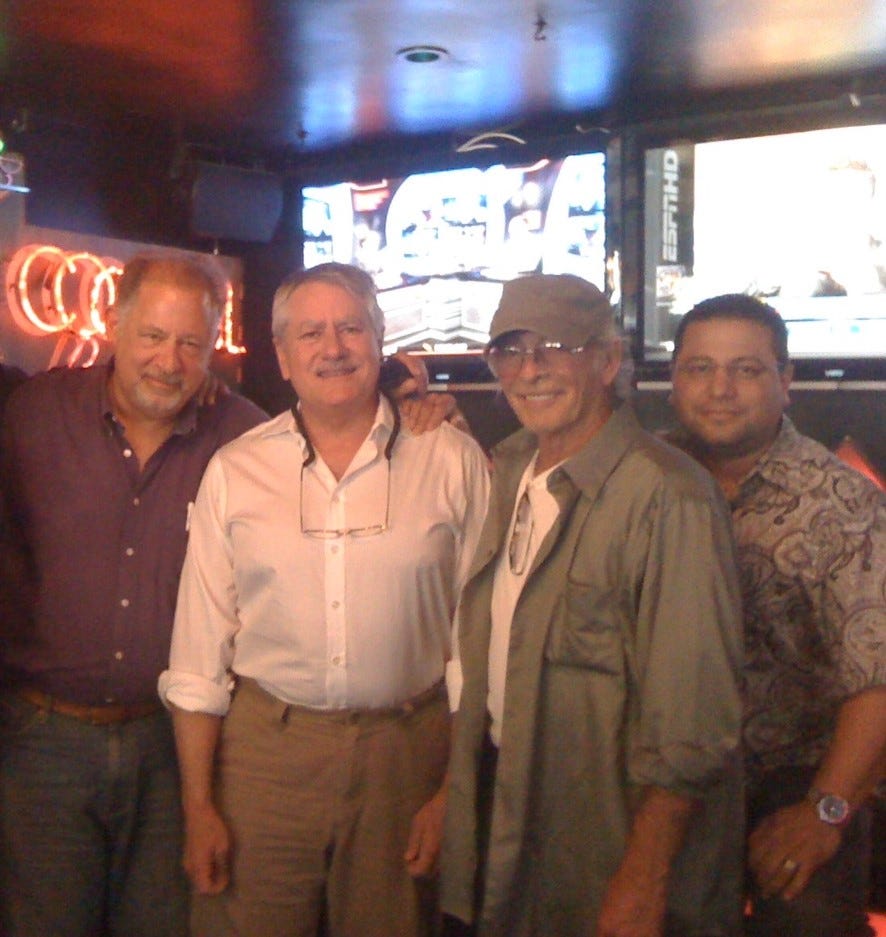
While filming “Rockin’ the Wall” in 2009, we were able to get the final interview ever with Producer George “Shadow” Morton (2nd from right). He did not read music, and couldn’t play an instrument. But when trying to date one of the women writing songs in New York’s “Tin Pan Alley,” he was irritated by a guy behind them working (badly) on a song. He said “I could do better than that.” It was on. The man challenged him to come back in a week with a song. The following week, Morton showed up with “Remember (Walkin’ in the Sand)” that he recorded with three girls he knew, whom he dubbed “The Shangri-Las.” It was a big hit—-but not as big as his next song, “The Leader of the Pack,” also by the Shangri-las. “Shadow” went on to produce “Vanilla Fudge,” Janis Ian, and Iron Butterfly. In the famous recording session for “Inna-Gadda-da-Vida,” the band just could not get the song right. Morton said, “We tried everything—-booze, weed, nothing worked.” So he told them to rehearse one more time as they had a “problem with the board” and he ducked down to fake working on the board. Without the pressure of recording, Iron Butterfly played it perfectly, so much so that when it came to the solo sections, Shadow gave them the “keep going” motion with his hand. When the long drum solo finished and the song was over, they said, “We’re ready now.” Morton said, “We got it. Next song.”
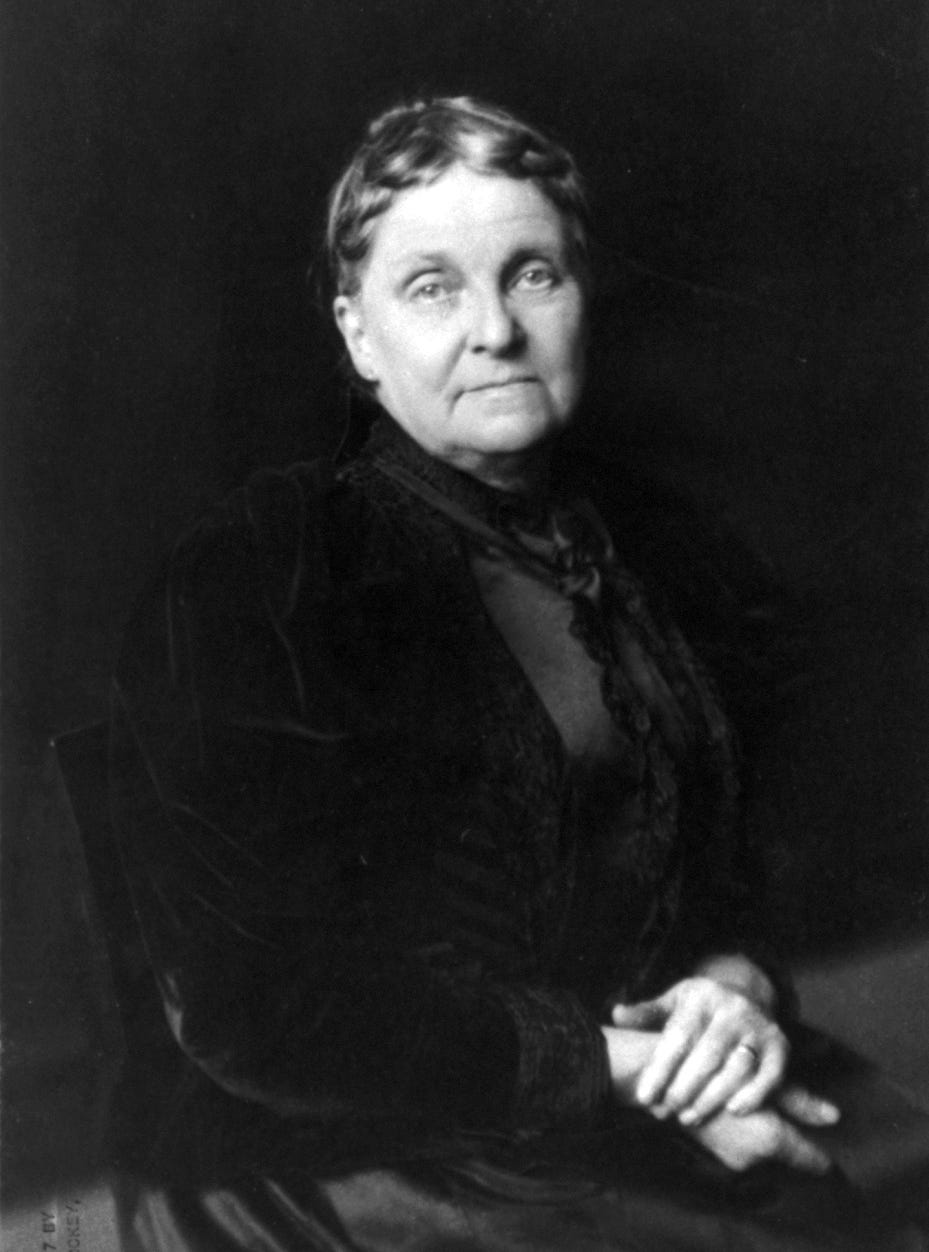
Probably the richest woman in America in the late 1800s was known as the “Witch of Wall Street.” Hetty Green, who inherited her husband’s stock portfolio and grew it. Despite being worth millions, she wore old shabby clothes, often didn’t change underwear, and by all accounts looked like a homeless woman.
On another occasion in LA, my band somehow got word that Eric Clapton was recording at a motel on Pacific Coast Highway. We hopped in our van and drove up, trying to find it. Sure enough, there it was—-but there were no cars in the lot. We went up to a room that had a door ajar and opened it. Inside were drums, amps that were still warm, and guitars. The Les Paul had a pick in the strings: “EC.” We couldn’t stay, as we had to get back to play our own gig, so I missed meeting one of the great guitarists of all time.
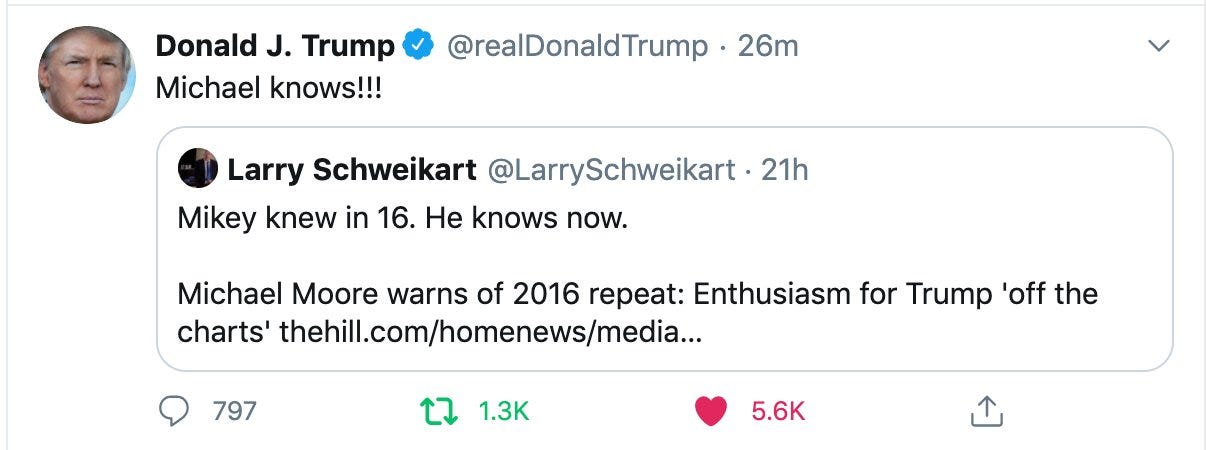
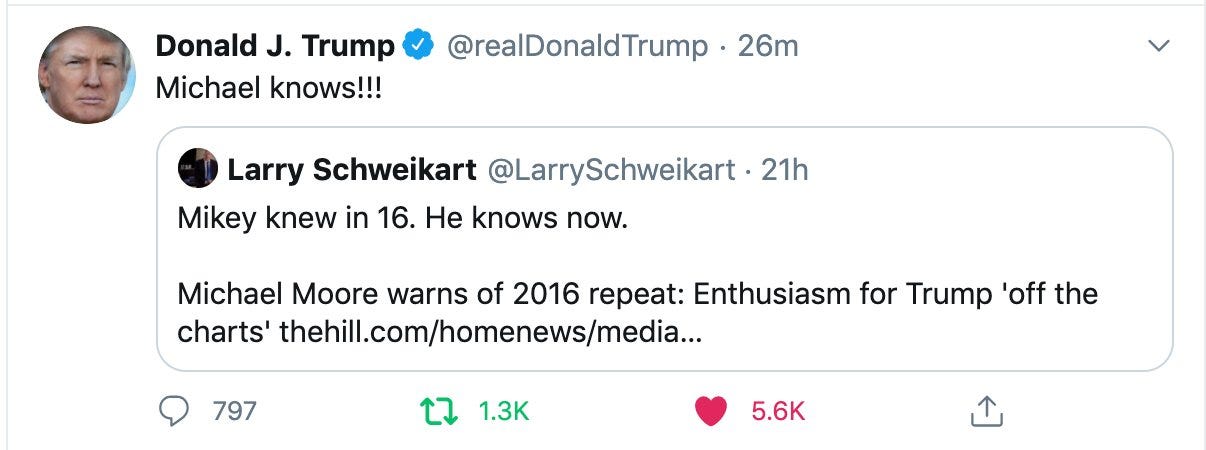
President Trump retweeted my tweet about Michael Moore in the 2020 campaign
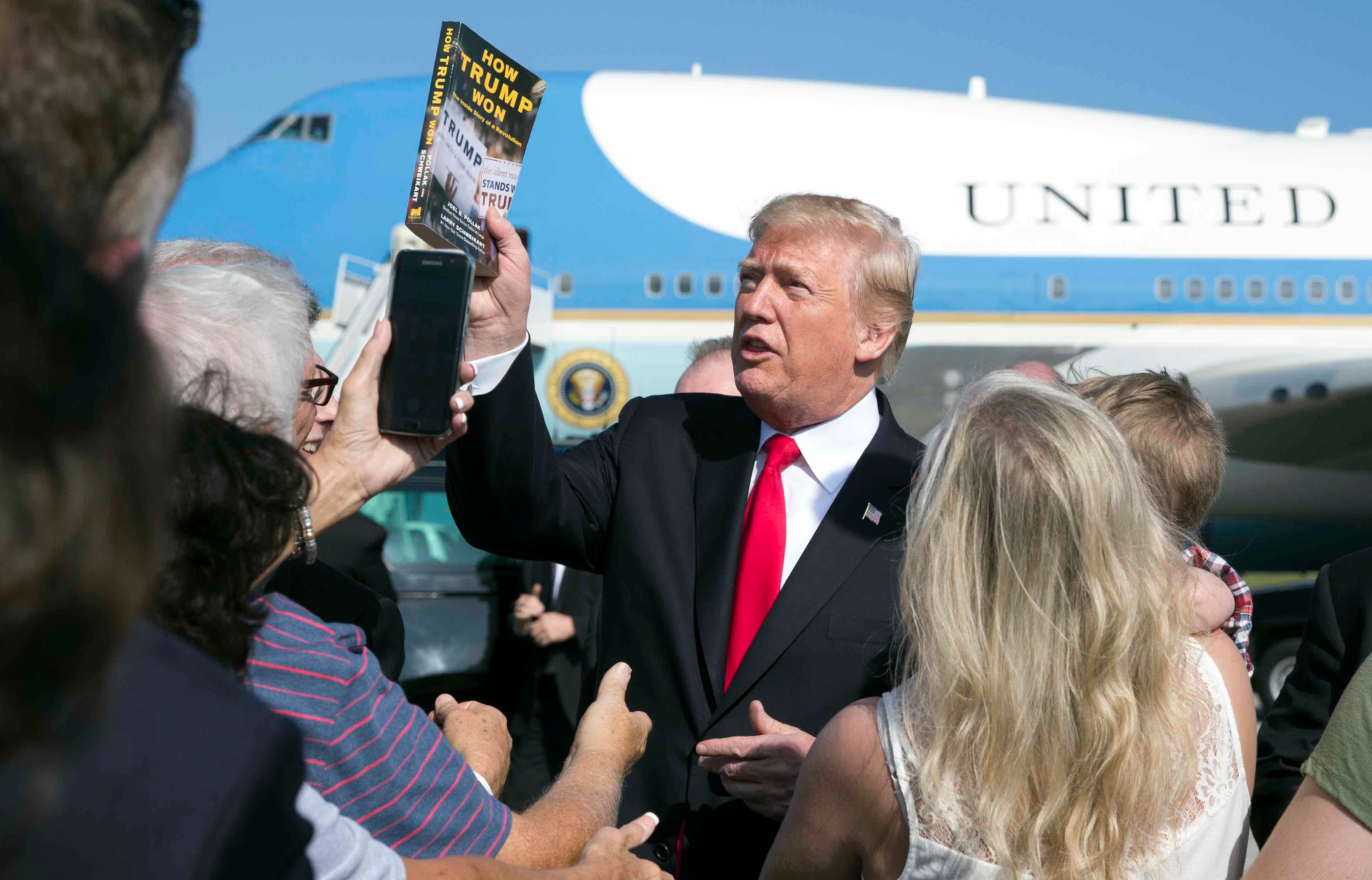
He also was given a copy of my book, How Trump Won at Orlando Airport and held it up for all to see.
After the Battle of the Coral Sea in 1942, when the U.S.S. Yorktown was damaged, a machinist and air fuel officer on the ship came up with a brilliant way to pump CO2 through the fuel pipes to quench fires. Not only did his commanding officer listen to his ideas, but he implemented them on the Yorktown immediately. That system in part allowed the Yorktown to fight long enough to make a difference in the Battle of Midway.
Steve Bannon, in his capacity as the man at Goldman Sachs who saved crumbling movie studios, took in lieu of a salary in one deal units in the production. It was a little series no one thought would do much, “Seinfeld.” Bannon still is getting residuals from that today. After that, Bannon invested in South Korean server farms that hosted the incredibly popular game, “World of Warcraft.”
Sylvester Stallone, who was broke and starving trying to sell his screenplay, “Rocky,” used his last money to go to LA. There, he had a car, but it ran out of gas on the freeway. He only knew one person in town—-another struggling actor named Henry Winkler, who came down and picked him up.
Wyatt Earp was old, and had quit law enforcement for some time. He found work in Los Angeles as a consultant on western movies. There was a particular budding star that Earp took an interest in. He taught him how to talk more slowly, deliberately. How to amble when he walked. The young star listened and made it into his own persona, Marion Morrison. Oh, you know him as John Wayne.
Daniel Boone was once captured by Indians. They alternatively beat their prisoners with the “gauntlet,” but then welcomed them into the tribe as members. Boone played along for almost a year, when he saw his opportunity to escape. He had a horse, but he rode it so hard it gave out. He finished the rest of his journey on foot. Boone covered 74 miles in just over three days, through forest and stream, most of it on foot.
In the 1960s, with the Vietnam protests under way, I was a student at Arizona State U. Generally, that was a more conservative campus, but I had a philosophy prof who was a Marxist nut. He would ask students, “Why are you in here? Why aren’t you out protesting?” So next class, only I and a few other students showed up. He was agitated. “Where is everyone?” I said, “You told us not to come to class but to protest. I imagine they are out there” pointing to the mall.
I had one “Blues Brothers” moment. We were playing in, as I recall, either Alamagordo or Las Cruces, New Mexico. In a cage. Directly in front of the stage were tables, and front and center was a couple holding hands and speaking terms of endearment into each other’s ears. Suddenly another woman burst in, flipped the table over on both of them, pinning them underneath. Obviously a wife or girlfriend. She pulled a gun, My band mates hit the floor, but I had protection: a four-foot diameter Paiste gong. I hid behind that, knowing it would stop a round.
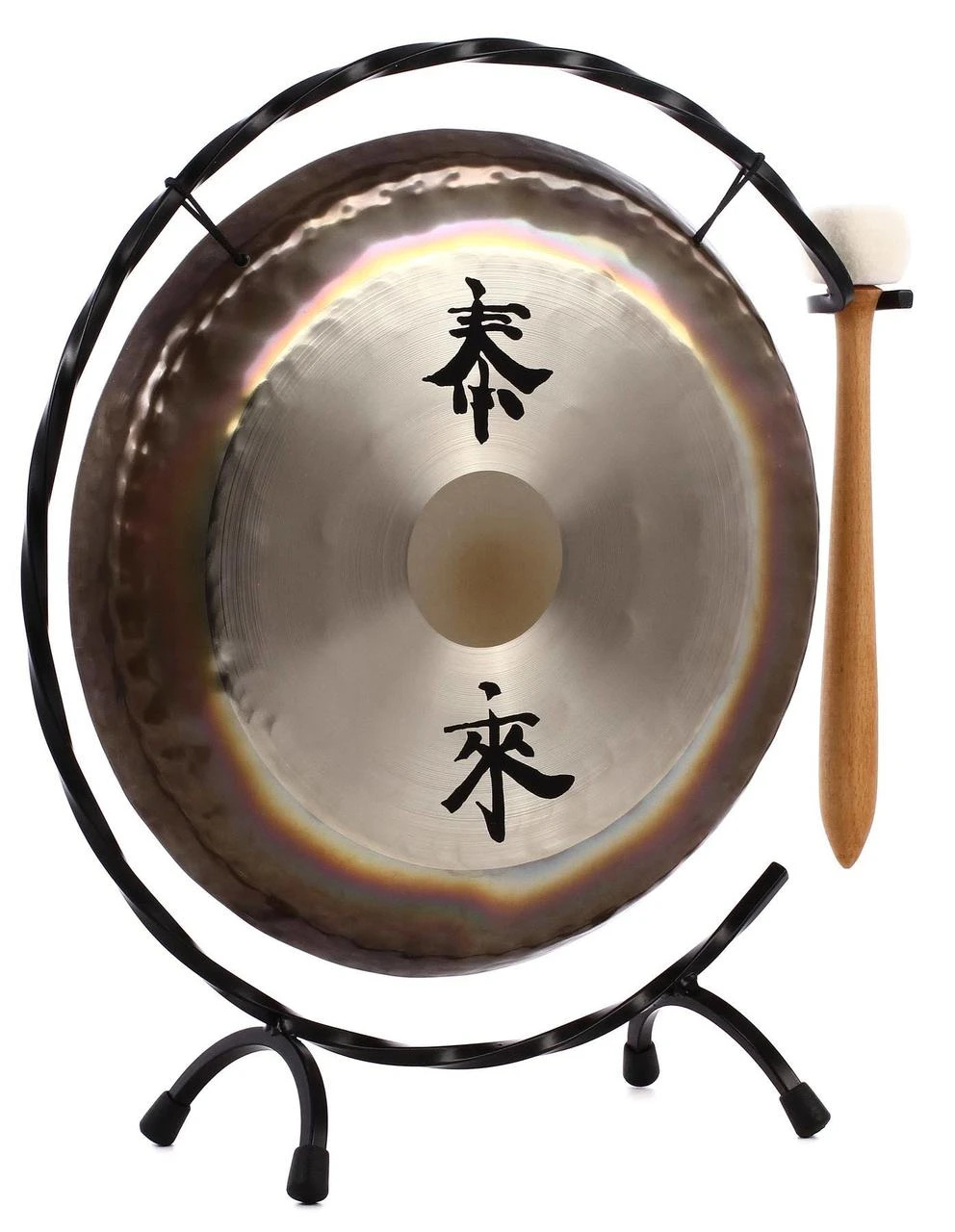
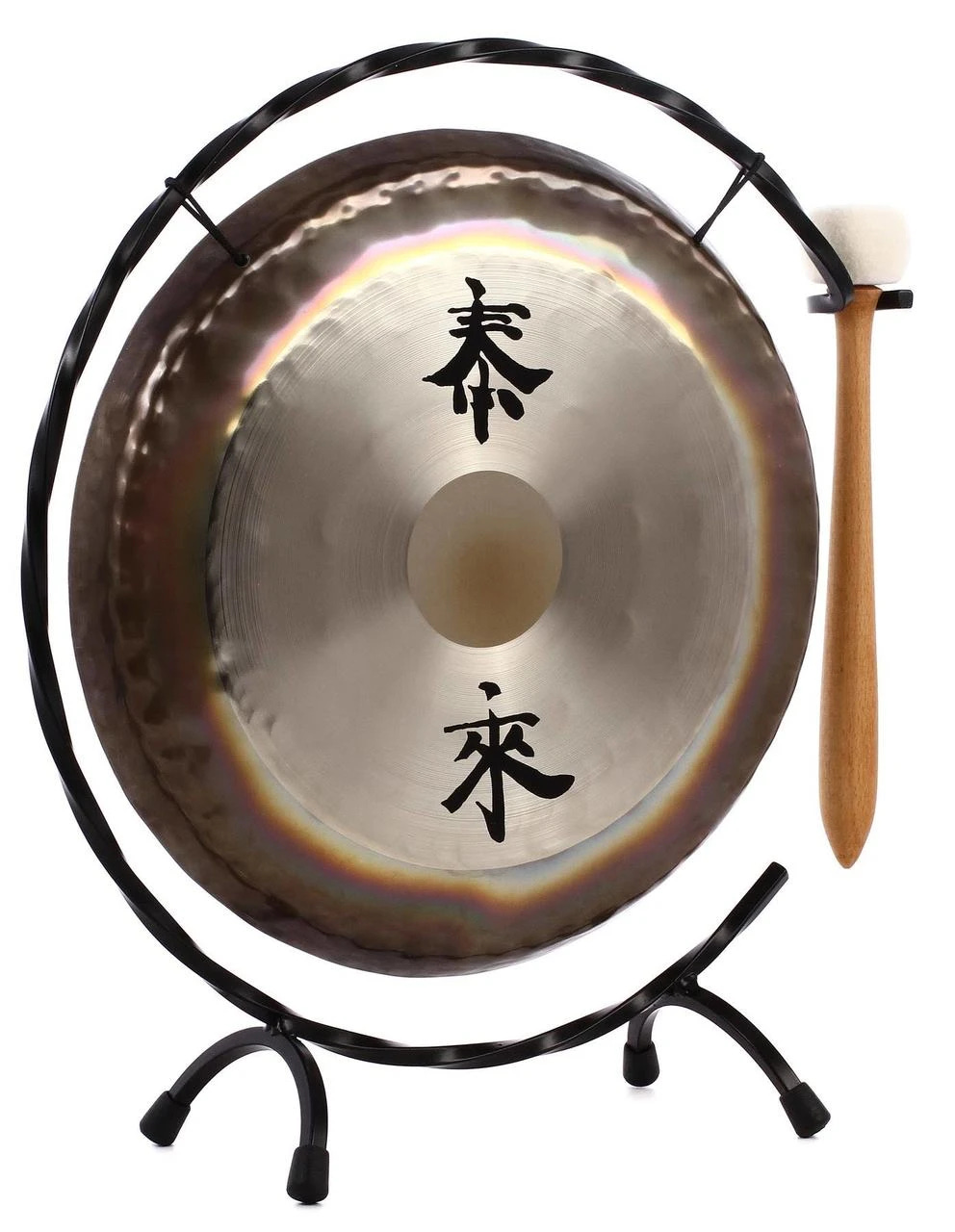
Not long after that, I saw a 6-foot diameter gong in a music store, and convinced them to let me use it in my set while playing in the Valley. It took two mallets and couldn’t just be hit, but had to be warmed up. It sounded like a 747. We were playing upstairs in an upstairs/downstairs club with two bands. When I got the gong all warmed up and exploding, people from downstairs would come up to see what was happening.
Larry Schweikart (@CyberneticsLS on Truth, @LarrySchweikart on X)
Rock drummer, Film maker,NYTimes #1 bestselling author
Link for Patriot’s History Vimeo
Link to buy larry a coffee
http://buymeacoffee.com/larrys